Interview with Nozomi Jinguji, Founder of UPBEET!Tokyo and BENI BITES
We spoke with Nozomi Jinguji, who is expanding her two brands overseas: UPBEET!Tokyo, a plant-based and gluten-free sweets brand, and BENI BITES, a new brand made from Beni Haruka sweet potatoes grown in southern Kyushu, Japan.
After working as a flight attendant and running a breakfast café, Nozomi launched UPBEET!Tokyo in 2018. In July of this year, she introduced her second brand, BENI BITES, centered around sweet potatoes.
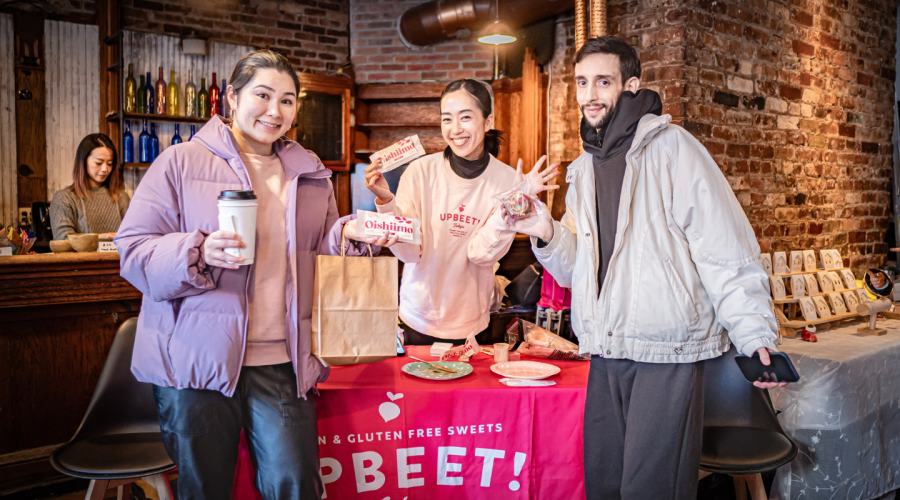
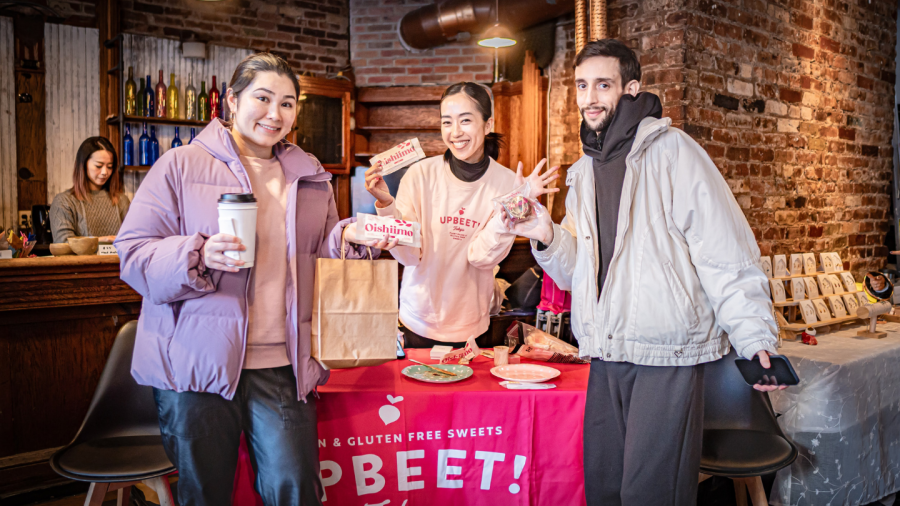
We first met Nozomi at niji’s pop-up event in New York this February, where she set up a tasting booth to gather local feedback as part of her market research for international expansion. About 200 people sampled her products—so what did she learn from their reactions?
We sat down with her to talk about what inspired her to expand overseas, the importance of market research, and her future vision.
Q/Can you tell us about your two brands, UPBEET!Tokyo and BENI BITES?
UPBEET!Tokyo, founded in 2018, is a 100% plant-based sweets brand made without eggs or dairy products. Our main products are donuts, amazake brownies, and cheesecakes, along with biscuits and granola. We use uniquely Japanese ingredients—for example, our donuts are made with mirin aged for three years, and our cheesecakes feature white miso fermented in wooden barrels.
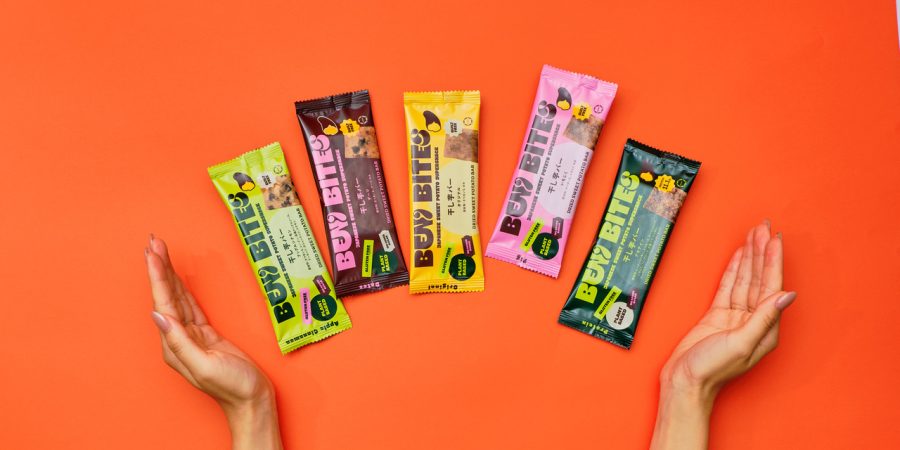
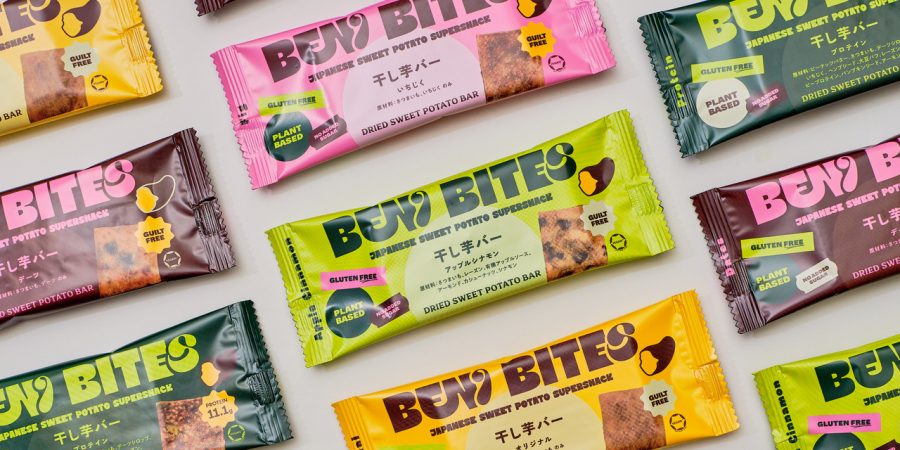
Our second brand, BENI BITES, launched in June, focuses on sweet potato products made from Beni Haruka grown in southern Kyushu, where I’m from. I wanted to create products that showcase the delicious sweet potatoes of my hometown, so I started the project two years ago. With the help of a grandmother in Kagoshima who has been making roasted and dried sweet potatoes for decades, we brought the product to life.
Q/What inspired you to start UPBEET!Tokyo?
I wanted to make plant-based and vegan eating a part of everyday life in Japan—to give people more food choices. In places like the U.S., even people who aren’t vegan often choose vegan meals at restaurants or cafés when they want to eat lighter or are dieting. But in Japan, it’s still difficult to find such options unless you actively search for them.
I think this comes from the cultural idea of “this is just the way it’s done,” and the social pressure that choosing vegan food seems “too health-conscious.” When you go abroad, though, there’s freedom—everyone has choices, and no one judges them. I think it would be wonderful if Japanese people could embrace that kind of open-mindedness.
Q/That’s a great vision. How did you go about developing your recipes?
I had been making plant-based sweets as a hobby, but to develop real products, I decided to travel the world to study plant-based desserts. In the U.K., I attended a culinary school specializing in plant-based baking. I was shocked to see my instructor adding tamari soy sauce to a chocolate cake! In the U.K., tamari was celebrated as a trendy ingredient for adding depth of flavor.
That experience inspired me to explore traditional Japanese ingredients that could be used in sweets—like amazake, sake lees, and miso. Although plant-based food is often seen as a Western trend, Japan has had its own traditions for centuries, such as shōjin ryōri (Buddhist vegetarian cuisine) and fermented foods. I wanted to create a brand that could share these uniquely Japanese elements with the world, and that’s how UPBEET!Tokyo came to be.
Q/What kind of Japanese ingredients do you use?
I personally visit producers across Japan and work with people who make incredible ingredients. For example, our signature donuts use Sugiura Mirin from Aichi—an authentic mirin aged for three years, which gives a rich color and keeps the donuts moist and fluffy. Our brownies feature freshly made amazake from Takamura Shoten in Nagano, which adds a gentle yet complex sweetness. We also use apples from Yoshiike Farm in Nagano. Since we don’t use eggs, the apples act as a natural binder, giving our baked goods the right texture.
Q/What led you to expand overseas?
In March 2023, after the pandemic settled down, I learned about Natural Products Expo West, one of the world’s largest trade shows for natural and organic products in the U.S. Since I hadn’t been able to travel abroad for years, I decided to attend to see the latest food trends firsthand—and I was shocked by how few Japanese exhibitors there were. Japan has so many great products, and I felt strongly that we were missing an opportunity.
I also noticed the growing global interest in probiotics and gut health, which aligned perfectly with our products. That’s when I decided to expand internationally. After returning to Japan, I joined the government’s GFP (Good Food Project) export program and began preparing for overseas markets, spending about a year refining our brand and products.
That’s impressive initiative. What did you do during your stay in New York in February 2024?
I spent about a month between LA and New York, setting up tasting booths at local events to test BENI BITES. I focused on questions like: “Do people like the texture?” “How do we explain sweet potato desserts to people unfamiliar with them?” “Does the packaging communicate the right message?”
At niji’s event in New York, around 200 people tried the product. The feedback was very positive—many asked, “Where can I buy this?” or “When will it be available?” Some even followed up later via direct message wanting to purchase it. However, I realized that the packaging gave off a different impression than I intended, so I decided to revise the name and design. It was an invaluable opportunity to research and prepare for a full launch.
Q/What stood out to you most about New York?
I was struck by how polarized people’s health awareness is—some are extremely health-conscious, while others don’t care at all. Among the health-conscious crowd, many even avoid all types of sugar, not just white sugar. The shift toward wellness is accelerating rapidly.
For BENI BITES, people were already familiar with “sweet potatoes” as a healthy snack, but hoshi-imo (dried sweet potato) was completely new to them. That means I have to start from scratch in explaining its flavor and appeal. After returning to Japan, I immediately began working with an American designer to rebuild the brand presentation.
Q/Do you plan to emphasize your Japanese identity when marketing the brand?
Not necessarily. I don’t think we need to push the “Japanese” aspect as the main selling point, like matcha or sake brands sometimes do. Being a Japanese product is just one characteristic. If someone’s interested, I can explain, “It’s a traditional Japanese snack called hoshi-imo,” and that’s enough. Japan already has a healthy image internationally, so I’d rather position BENI BITES as a “unique and healthy super snack” that naturally becomes part of people’s daily lives.
Q/It’s easy to imagine BENI BITES lined up next to plant-based sweets and energy bars in supermarkets. What are your future goals?
Until now, Japan has mostly imported ideas and products from abroad. But I believe Japan has incredible food culture and ingredients of its own—and one of them is sweet potatoes. Japanese sweet potatoes are naturally sweet and delicious. They’ve supported our diet and health for generations. I want to share this “Japanese super snack” with the world.
One of my dreams is to run a yaki-imo (roasted sweet potato) truck in the middle of New York City! It would have the nostalgic “Ishi-yaki-imo” vibe but with a colorful, modern twist—driving through the city, spreading the aroma of freshly roasted sweet potatoes. I’d love to see how New Yorkers react!
We launched BENI BITES in Japan on October 13, “Sweet Potato Day,” and we plan to debut it in the U.S. this October through events and local sales opportunities. Each product reflects the dedication of our producers and delivers both comfort and nourishment—I hope everyone will give it a try.
Q/You have such incredible energy! What’s your source of motivation, and why America?
Honestly, I recharge through food—I’m just a big foodie! I’ve always loved eating since I was a child, and that passion drives me to share delicious, energizing food with others.
As for why I chose the U.S., it’s simple: I love it. When I worked as a flight attendant, I often flew to the U.S., and I was drawn to the culture of embracing differences rather than rejecting them—the openness, freedom, and welcoming atmosphere really resonate with me.
Lastly, could you share a message for Japanese creators who dream of going global?
We are not only Japanese—we are citizens of the world. It would be such a waste to live our entire lives within Japan alone. Becoming a flight attendant made the world feel closer to me, and I believe everyone can have that moment too—but only if you take the first step yourself.
When you travel abroad, you’ll hear people say, “Japan is such a great country!” or “Japanese people are amazing!”—and that makes you rediscover the beauty of Japan and its people. If you look beyond the borders of Japan, you’ll see a new world and add new colors to your life. I’m still at the starting line myself, but let’s take on the challenge of going global—together!